How to Split Equity When Co-Owners Pay Unequal Mortgage Amounts
Real Amigos Team · November 16, 2026 · 4 min read
Almost No Home Stays 50/50
Almost no co-owned home stays 50/50 in practice. One person puts in a bigger down payment. Another covers a few months while a friend is between jobs. Someone replaces the water heater. A year later, nobody can say for sure who owns what.
This guide covers the three common ways co-owners handle unequal payments, the trap in each one, and how to keep the record clean either way.
(Not legal or tax advice. Ownership rules vary by state and by how title is held. Have a real estate attorney review your agreement.)

The Short Answer
Your ownership share and your payment share are two different things, and they only match if you decide they should. Before anyone pays unequally, write down which of these you are using.
Method 1: Fixed Ownership, Payments Are Loans
Ownership stays at an agreed split, say 50/50, no matter who pays what. If one owner pays more than their share of the mortgage, the extra is treated as a loan to the other owner, repaid at sale or on a schedule.
- Good for: couples and close friends who want simple, stable ownership.
- Trap: if the home appreciates, the owner who paid more gets no extra upside, only their money back. Decide whether the loan accrues interest.
Method 2: Ownership Follows Contributions
Each owner's share is their total contributions divided by everyone's total contributions. Pay more principal or put in more down payment, and your percentage rises.
- Good for: groups with uneven finances who want fairness over time.
- Trap: the percentage moves constantly. A spreadsheet that isn't updated monthly will be wrong within a quarter.
Method 3: Hybrid
Ownership is fixed at purchase based on the down payment, then principal paydown, big repairs and sweat equity adjust it by formula.
- Good for: investment properties and larger groups.
- Trap: the formula must be written down before the first dollar moves, or every adjustment turns into an argument.
One Detail That Trips People Up: Principal vs. Interest
Only the principal part of a mortgage payment builds equity. Interest, property tax, insurance and routine maintenance are costs of living there. If one owner pays a full mortgage payment, only the principal portion should count toward their equity. Mixing these up is the most common reason co-owner math drifts.
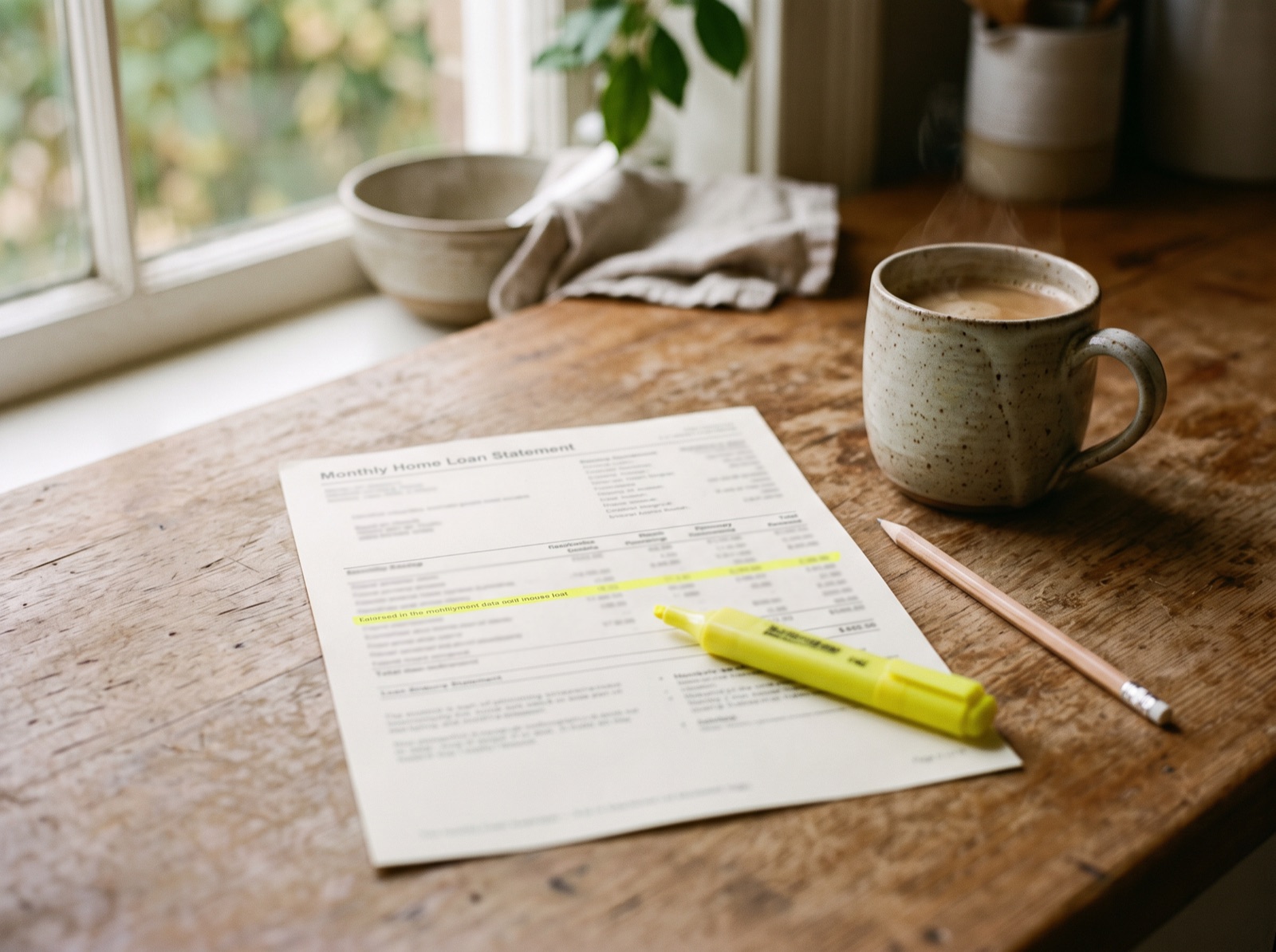
What to Record Every Time Money Moves
- Date
- Who paid
- Amount
- Category: down payment, mortgage principal, interest, tax, insurance, repair, or capital improvement
- Whether it counts toward ownership, or is a loan or reimbursement
If you can answer those five for every payment, you can reconstruct the split years later, which is what a sale, a buyout or a dispute will require.

Why the History Matters
If an owner leaves, someone buys them out, or the house sells, the first question is always "who put in what?" Courts and mediators may look for evidence of payments, so records kept as you go are far stronger than memories reconstructed afterward.
Do It Without the Spreadsheet
Real Amigos logs every contribution with a timestamp and updates each owner's share automatically, including mortgage principal, sweat equity and, if your group chooses, capital improvements, and it never rewrites history. If your group pays unequally, you can try it at realamigos.com.
Real Amigos is a tool to make co-ownership financial tracking simple, transparent, and automatic. Sign up now.